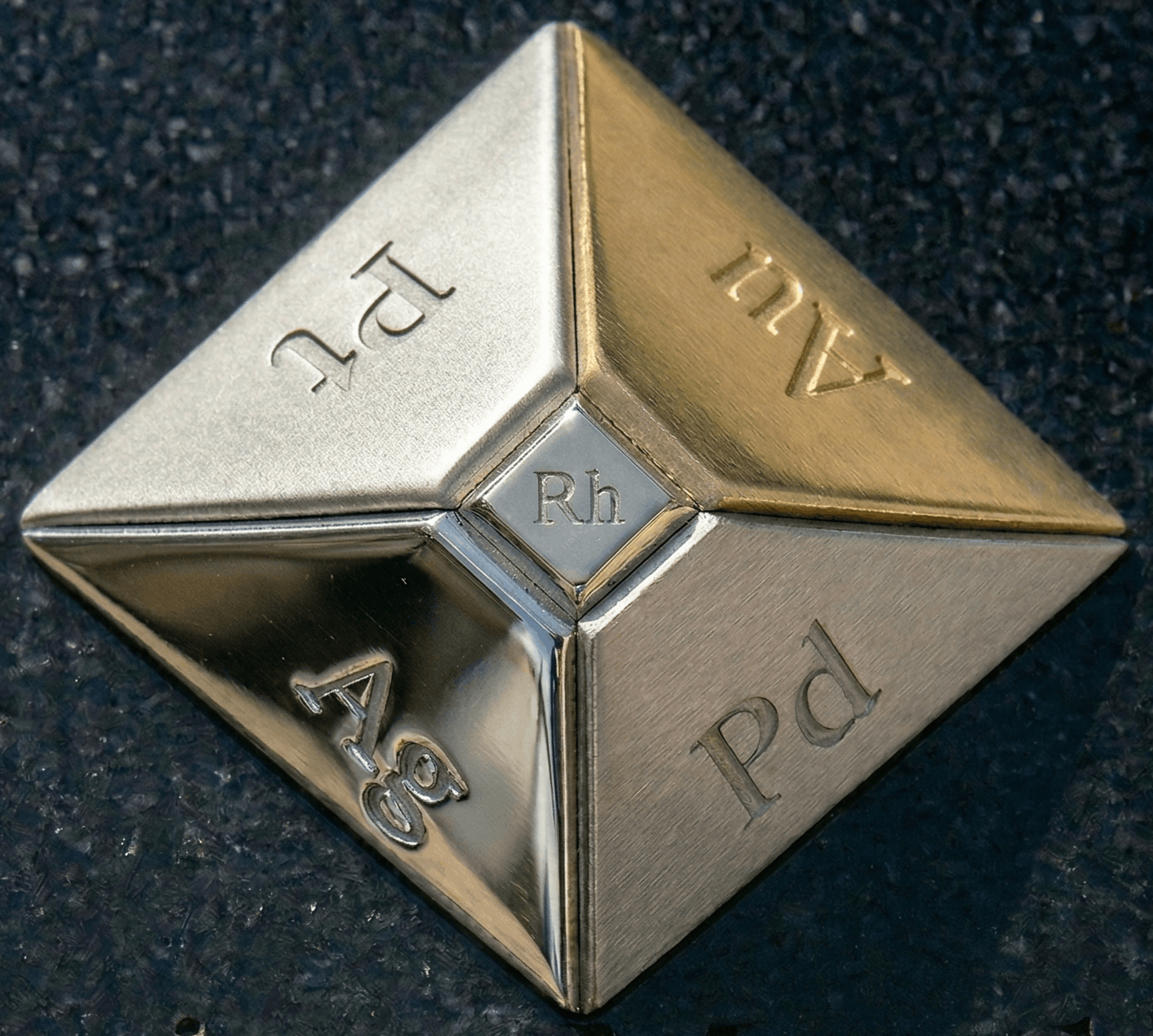
How Precious Metals Fit Into a Modern Portfolio
Precious metals have been part of wealth preservation for thousands of years. In a modern portfolio, they serve as stabilizers — helping reduce drawdowns, hedge inflation, and diversify risk.
1. Why Metals Matter
Gold and silver are not growth assets. They are risk balancers that help stabilize a portfolio during volatility, inflation, or currency stress.
2. How Gold Behaves
Gold tends to perform well when real interest rates fall, inflation rises, or equities become volatile. It is a non-correlated asset that helps offset traditional market risk.
3. How Silver Behaves
Silver is more volatile and more industrial than gold. It can outperform gold in strong cycles but can also underperform during downturns.
4. Typical Allocation Ranges
- 2–5% – conservative hedge
- 5–10% – balanced diversification
- 10–20% – high conviction or macro-driven allocation
5. Where Metals Fit
Metals typically sit in the “alternatives” sleeve of a portfolio, alongside commodities, real assets, and cash equivalents. They complement — not replace — equities and bonds.
6. Metals in Retirement Accounts
Gold IRAs allow approved bullion and coins stored in IRS-approved depositories. They do not allow home storage or collectible coins. Learn more in our Precious Metals IRA Guide.
7. How to Think About Allocation
Ask three questions:
- What am I hedging?
- What is my time horizon?
- How much liquidity do I need?
8. Bottom Line
Precious metals help stabilize a portfolio, protect purchasing power, and reduce reliance on traditional financial assets. Used correctly, they strengthen the entire structure.