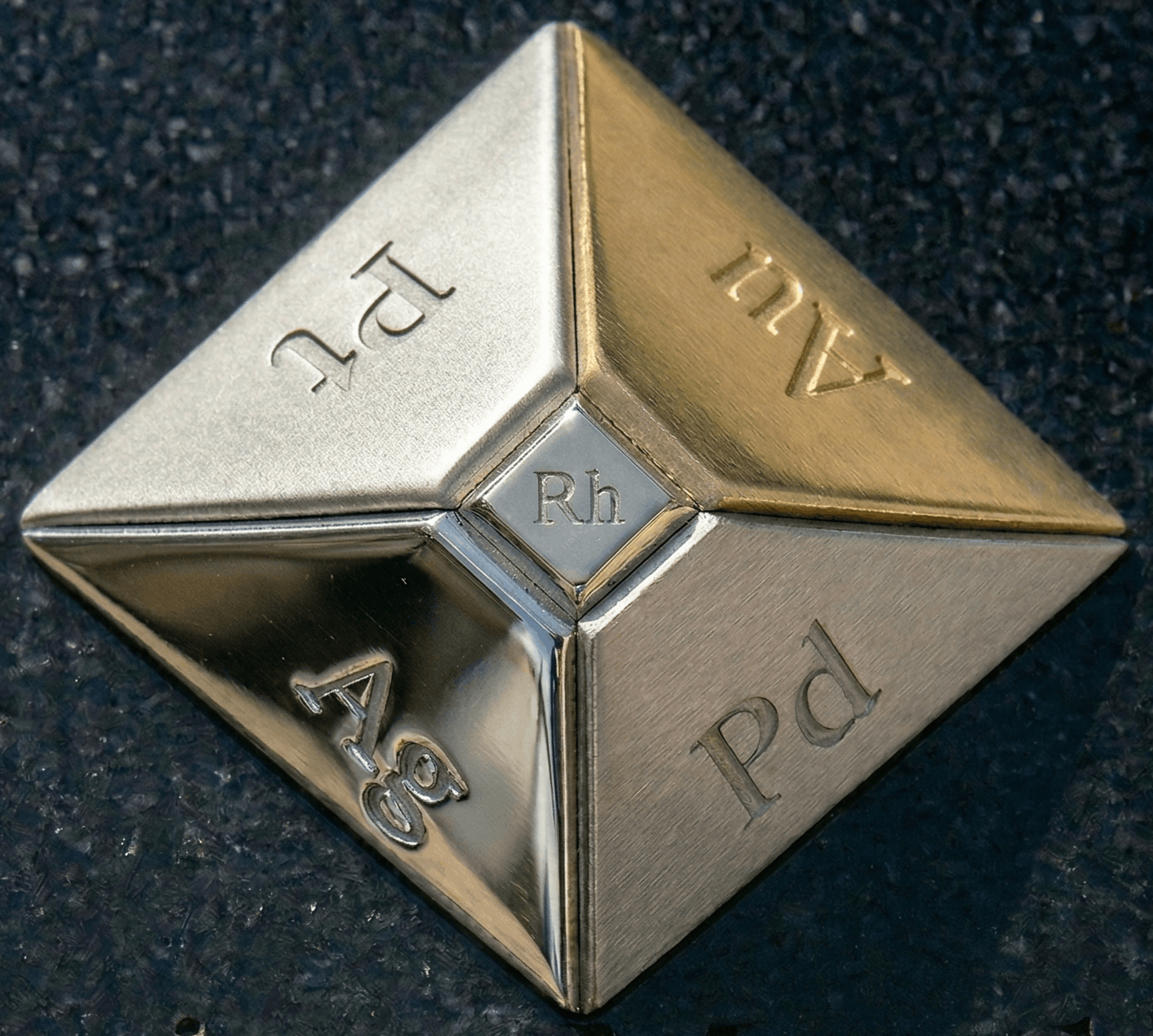
What Are Precious Metals ETFs?
A Beginner’s Guide to Gold, Silver, Platinum, Palladium, and Mining ETFs (2026)
A precious metals ETF is an exchange‑traded fund that provides exposure to gold, silver, platinum, palladium, or mining companies through a standard brokerage account. These funds trade like stocks, offer intraday liquidity, and remove the need to store physical metal — making them one of the most accessible ways to invest in precious metals.
This guide explains what precious metals ETFs are, how they work, and the different types available to investors.
1. How Precious Metals ETFs Work
Precious metals ETFs are designed to track the price of a metal or a basket of mining stocks. They trade on major exchanges and can be bought or sold throughout the trading day.
Key Features
- intraday trading — buy and sell like a stock
- no physical storage — the fund handles custody
- transparent pricing — tracks spot prices or mining indexes
- low minimum investment — buy a single share
ETFs offer convenience and liquidity, but they do not provide direct ownership of physical metal.
2. Types of Precious Metals ETFs
There are two main categories of precious metals ETFs:
1. Bullion‑Backed ETFs
These funds hold physical gold, silver, platinum, or palladium in secure vaults. Shares represent fractional ownership of the metal held by the fund.
2. Mining ETFs
These funds invest in companies that mine, refine, or produce precious metals. They offer leveraged exposure to metal prices through corporate performance.
Some ETFs combine both bullion and mining exposure, but most focus on one or the other.
3. What Precious Metals ETFs Hold
Bullion ETFs
- physical bars stored in professional vaults
- custody agreements with major vaulting partners
- regular audits and bar‑list reporting
Mining ETFs
- large‑cap mining companies
- mid‑tier and junior miners
- royalty and streaming companies
Mining ETFs behave more like equities, while bullion ETFs behave more like the underlying metal.
4. Why Investors Use Precious Metals ETFs
ETFs offer a flexible way to gain exposure to metals without the logistics of physical storage.
Common Reasons to Use ETFs
- portfolio diversification
- hedging against inflation or volatility
- tactical trading during market swings
- low‑cost exposure compared to physical bullion
- easy access through any brokerage account
ETFs are often used alongside physical metals, not as a replacement.
5. Precious Metals ETFs vs Physical Bullion
| Feature | ETFs | Physical Bullion |
|---|---|---|
| Ownership | Shares of a fund | Direct metal ownership |
| Storage | No storage required | Requires vaulting or home storage |
| Liquidity | Instant trading during market hours | Sell to dealers or marketplaces |
| Counterparty Risk | Fund and custodian risk | No counterparty risk |
| Costs | Expense ratios | Premiums and storage fees |
6. Who Precious Metals ETFs Are Best For
- investors who want simple, low‑friction exposure
- those who trade metals tactically
- diversified portfolios seeking non‑correlated assets
- investors without access to secure storage
ETFs are not ideal for investors who want direct ownership of physical metal.
Explore More ETF Guides
- How Precious Metals ETFs Work
- Precious Metals ETF Risks
- Gold ETFs
- Silver ETFs
- Platinum ETFs
- Palladium ETFs
- Mining ETFs
Related Guides
Popular Resources
Final Thoughts
Precious metals ETFs offer a convenient, liquid way to gain exposure to gold, silver, platinum, palladium, and mining stocks. By understanding how these funds work — and how they differ from physical bullion — you can decide whether ETFs fit into your broader investment strategy in 2026 and beyond.