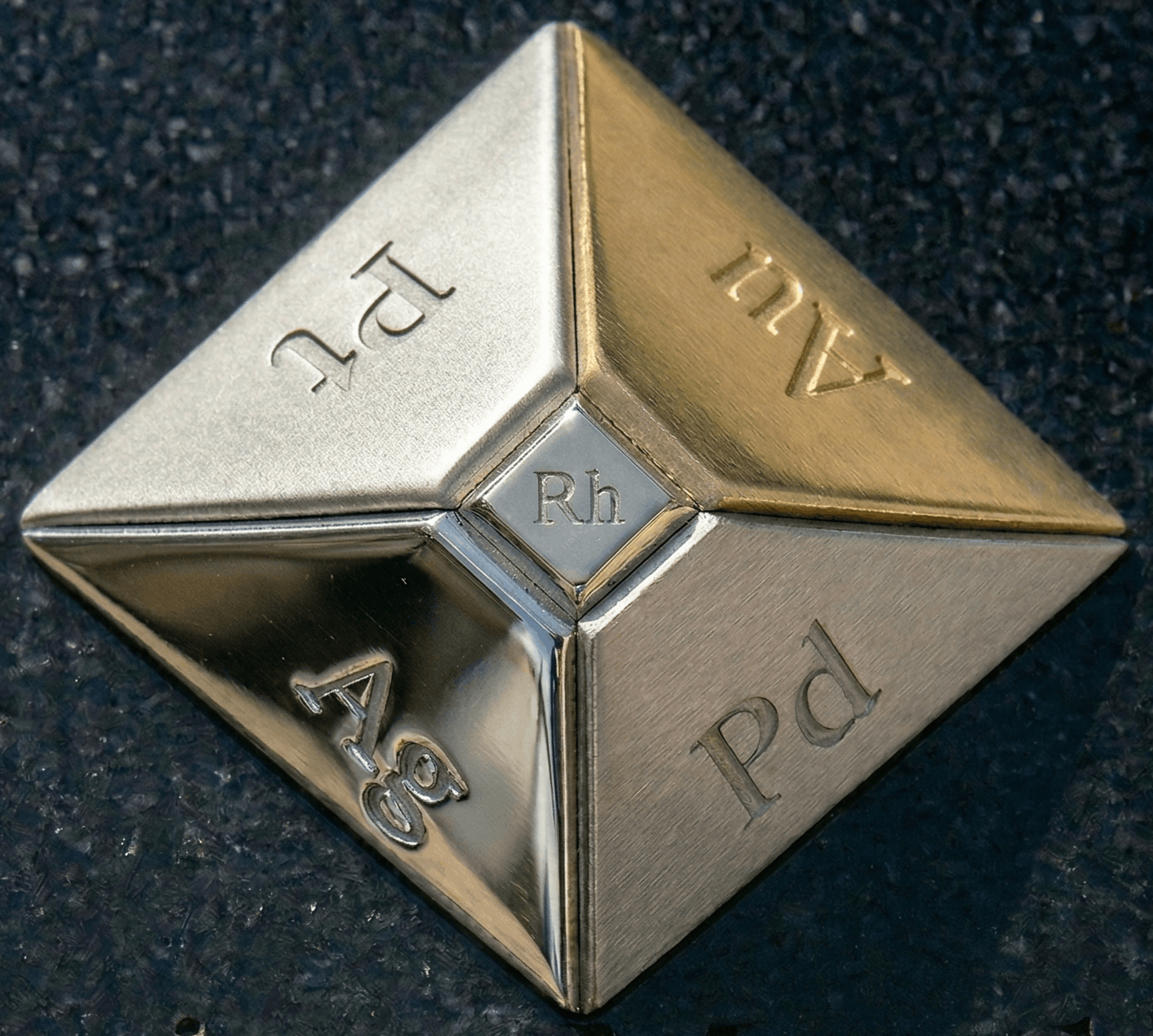
Platinum ETFs
Your Guide to Platinum‑Backed and Platinum‑Focused Exchange‑Traded Funds (2026)
Platinum ETFs provide a simple way to gain exposure to platinum prices through a brokerage account. These funds track the price of platinum by holding physical bullion or investing in companies involved in platinum production. Platinum ETFs offer intraday liquidity, low minimum investment, and no need for physical storage — making them a practical option for investors who want exposure to this industrial and precious metal.
This guide explains how platinum ETFs work, the different types available, and how they compare to physical platinum and mining stocks.
1. Types of Platinum ETFs
Platinum ETFs fall into two main categories:
1. Physical Platinum ETFs
These funds hold physical platinum bars in professional vaults. Shares represent fractional ownership of the platinum held by the fund.
2. Platinum Mining ETFs
These funds invest in companies involved in platinum group metals (PGM) production, including platinum, palladium, and rhodium.
Most investors start with physical platinum ETFs for direct price exposure.
2. How Physical Platinum ETFs Work
Physical platinum ETFs track the spot price of platinum by holding bullion in secure vaults. The custodian manages storage, insurance, and audits.
Key Features
- allocated or unallocated platinum holdings
- vaults in major financial centers
- bar‑list reporting
- independent audits
Investors own shares of the fund, not specific bars.
3. How Platinum Mining ETFs Work
Platinum mining ETFs hold shares of companies involved in PGM production. These funds behave more like equity portfolios than direct platinum exposure.
Common Holdings
- South African PGM producers
- Russian PGM producers
- companies with mixed platinum, palladium, and rhodium output
Mining ETFs can be more volatile than physical platinum ETFs because they reflect both metal prices and company fundamentals.
4. Platinum ETF Performance Drivers
Platinum ETFs are influenced by several factors:
- spot platinum prices
- automotive demand (catalytic converters)
- industrial demand (chemicals, electronics, energy)
- substitution trends between platinum and palladium
- global supply (concentrated in South Africa and Russia)
Platinum is more cyclical and industrial than gold or silver.
5. Platinum ETFs vs Physical Platinum
| Feature | Platinum ETFs | Physical Platinum |
|---|---|---|
| Ownership | Shares of a fund | Direct metal ownership |
| Storage | No storage required | Requires vaulting or home storage |
| Liquidity | Instant trading during market hours | Sell to dealers or marketplaces |
| Volatility | Moderate to high | High (thin physical market) |
| Costs | Expense ratios | Premiums and storage fees |
6. Platinum ETFs vs Platinum Mining ETFs
| Feature | Physical Platinum ETFs | Platinum Mining ETFs |
|---|---|---|
| Exposure | Tracks platinum price | Tracks mining companies |
| Volatility | High | Very high |
| Drivers | Platinum spot price | PGM prices + corporate performance |
| Risk Level | Moderate to high | High |
7. Who Platinum ETFs Are Best For
- investors seeking exposure to platinum without physical storage
- those who want to trade platinum tactically
- diversified portfolios looking for industrial metal exposure
- investors who understand PGM market cycles
Platinum ETFs are not ideal for investors who want direct ownership of physical metal.
Explore More ETF Guides
Related Guides
Popular Resources
Final Thoughts
Platinum ETFs offer a convenient, liquid way to gain exposure to platinum without the logistics of physical storage. By understanding the differences between physical platinum ETFs and mining ETFs — and how each behaves in different market conditions — you can choose the right type of platinum exposure for your strategy in 2026 and beyond.