What Is Bullion?
Understanding the Foundation of Physical Precious Metals Investing
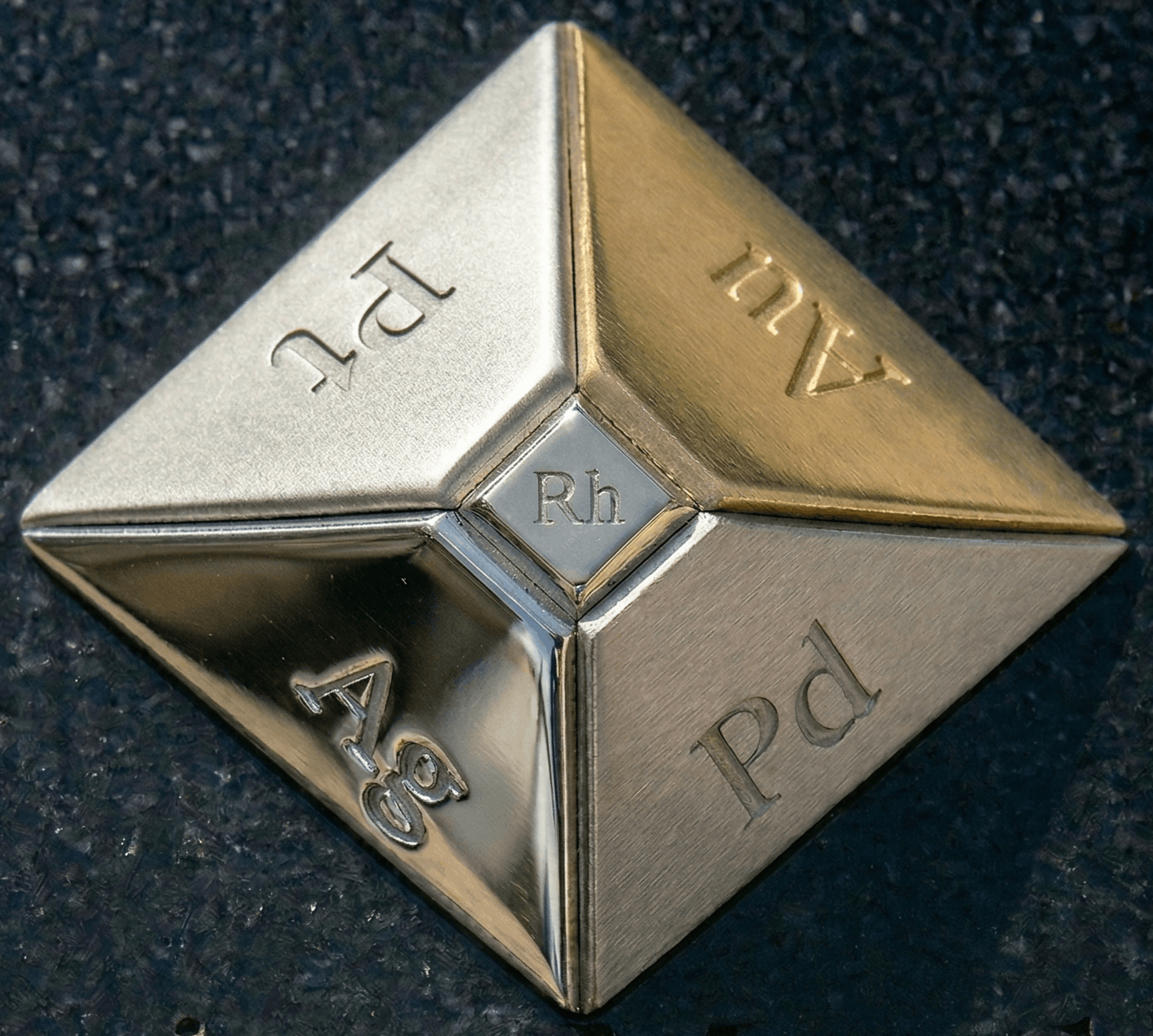
Bullion refers to investment-grade precious metals—typically gold, silver, platinum, or palladium—valued primarily for their purity and weight. Unlike jewelry or collectibles, bullion is not purchased for artistic or historical significance. Its value comes from the intrinsic worth of the metal itself.
Whether in the form of coins, bars, or rounds, bullion is the purest and most direct way to own precious metals. It has been used for centuries as a store of value, a hedge against inflation, and a form of financial insurance during periods of economic uncertainty.
Back to Bullion Hub
Key Characteristics of Bullion
To qualify as bullion, a precious metal product typically meets the following criteria:
- High Purity: Most bullion products are .999 or higher in fineness.
- Standardized Weight: Produced in common sizes such as 1 oz, 10 oz, or 1 kilo.
- Recognized Producers: Minted or refined by accredited institutions.
- Globally Liquid: Easily bought and sold worldwide.
- Investment Focused: Purchased for metal content, not design.
These characteristics make bullion one of the most trusted and universal forms of wealth preservation.
Forms of Bullion
Bullion comes in several standardized formats, each with its own advantages:
- Coins: Government‑minted, legal tender, highly recognizable.
- Bars: Lower premiums, ideal for stacking and long-term storage.
- Rounds: Private‑minted, cost‑efficient, non‑legal tender.
To explore these formats in detail:
Types of Bullion →
Why Investors Choose Bullion
Bullion plays a unique role in wealth preservation and portfolio stability. Investors choose bullion because it offers:
- Tangible Ownership: A physical asset you can hold in your hand.
- No Counterparty Risk: Not dependent on banks, brokers, or digital systems.
- Inflation Hedge: Historically retains purchasing power over time.
- Crisis Protection: Performs well during economic or geopolitical stress.
- Global Acceptance: Recognized and valued worldwide.
These qualities make bullion a cornerstone of long-term wealth strategies.
Bullion Purity & Hallmarks
Purity determines how much of a bullion item is made of actual precious metal. Hallmarks identify the mint, refiner, and certification standards. Understanding these markings is essential for evaluating authenticity and value.
Learn more:
Bullion Purity & Hallmarks →
Spot Price vs Premiums
The spot price reflects the global market price of a metal. Premiums are the additional costs associated with minting, distribution, and demand. Knowing how premiums work helps you evaluate fair pricing and avoid overpaying.
Break down the pricing structure:
Spot Price vs Premiums →
How Bullion Is Made
From raw ore to refined bars and coins, bullion production is a multi‑stage process involving mining, refining, smelting, casting, and minting. Understanding this process helps investors appreciate why purity, hallmarks, and premiums matter.
Explore the production process:
How Bullion Is Made →
Continue Exploring the Bullion Cluster
- Types of Bullion
- Bullion vs Coins
- Bullion Purity & Hallmarks
- Spot Price vs Premiums
- How Bullion Is Made
- Bullion Storage Options
Related Guides
Educational Resource
Return to the Bullion hub:
Bullion →