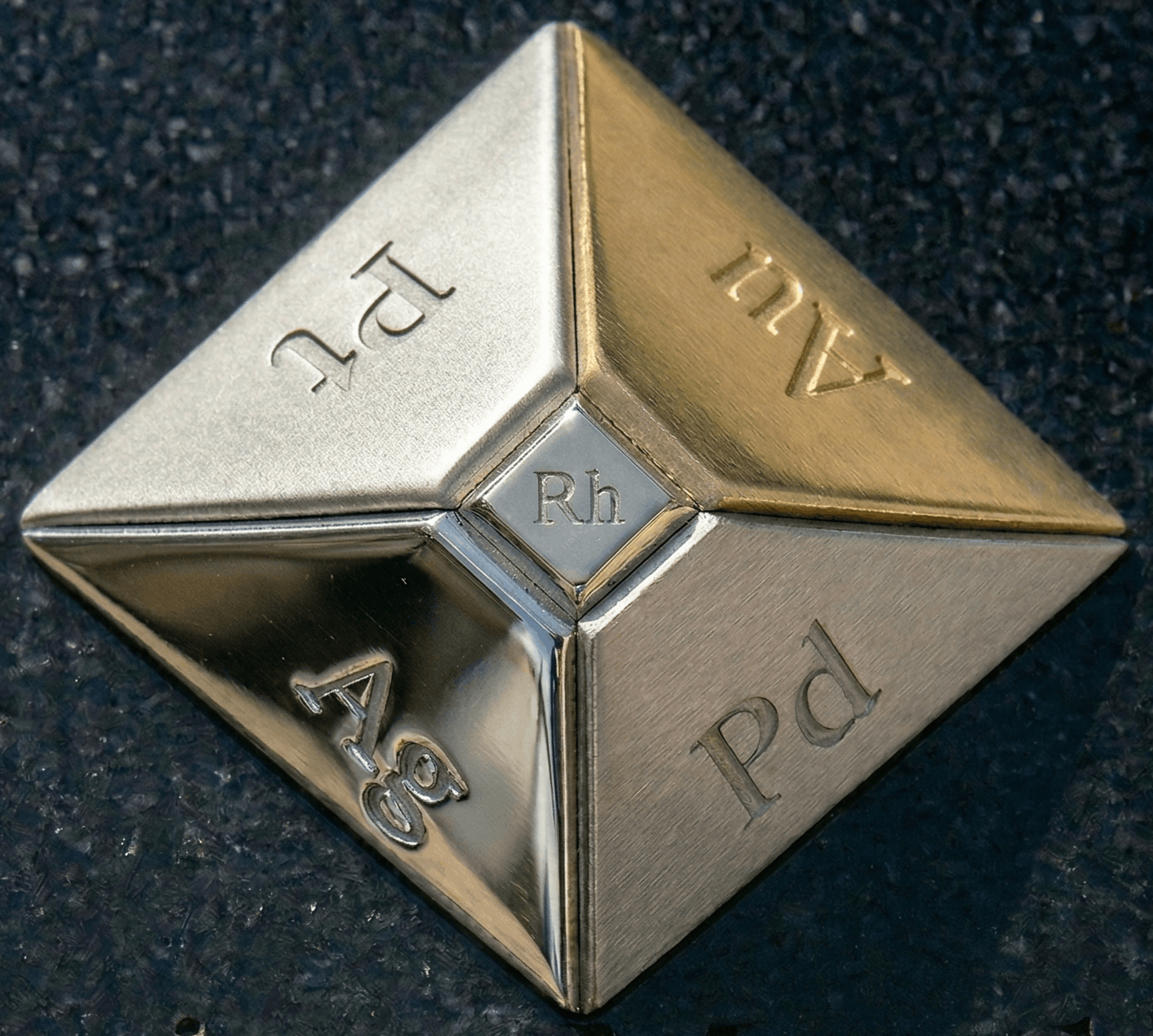
Precious Metals ETFs
Your Guide to Gold, Silver, Platinum, Palladium, and Mining ETFs (2026)
Precious metals ETFs offer a simple way to gain exposure to gold, silver, platinum, palladium, and mining stocks through a brokerage account. They trade like stocks, provide intraday liquidity, and remove the need to store physical metal — but they also introduce fund, counterparty, and market structure risks.
This hub explains how precious metals ETFs work, the different types available, and how they compare to physical bullion, mining stocks, and digital gold.
Start With the Basics
Explore by Metal
Mining and Thematic Exposure
What This ETF Cluster Covers
This cluster explains how precious metals ETFs are structured, what they hold, and how they behave in different market conditions.
Key Topics Include
- physical vs synthetic exposure
- bullion‑backed vs mining‑focused ETFs
- expense ratios and tracking error
- liquidity, spreads, and trading volume
- creation/redemption mechanisms
- custody, vaulting, and counterparty risk
- how ETFs compare to physical bullion and digital gold
Why Investors Use Precious Metals ETFs
- easy access through standard brokerage accounts
- intraday liquidity with live market pricing
- no physical storage or logistics
- targeted exposure to specific metals or mining segments
ETFs are often used for tactical trades, portfolio diversification, or as a complement to physical holdings.
Related Guides
Popular Resources
Final Thoughts
Precious metals ETFs provide a flexible, liquid way to gain exposure to gold, silver, platinum, palladium, and mining stocks. By understanding how these funds are structured — and how they compare to physical bullion and digital gold — you can decide how ETFs fit into your broader strategy in 2026 and beyond.