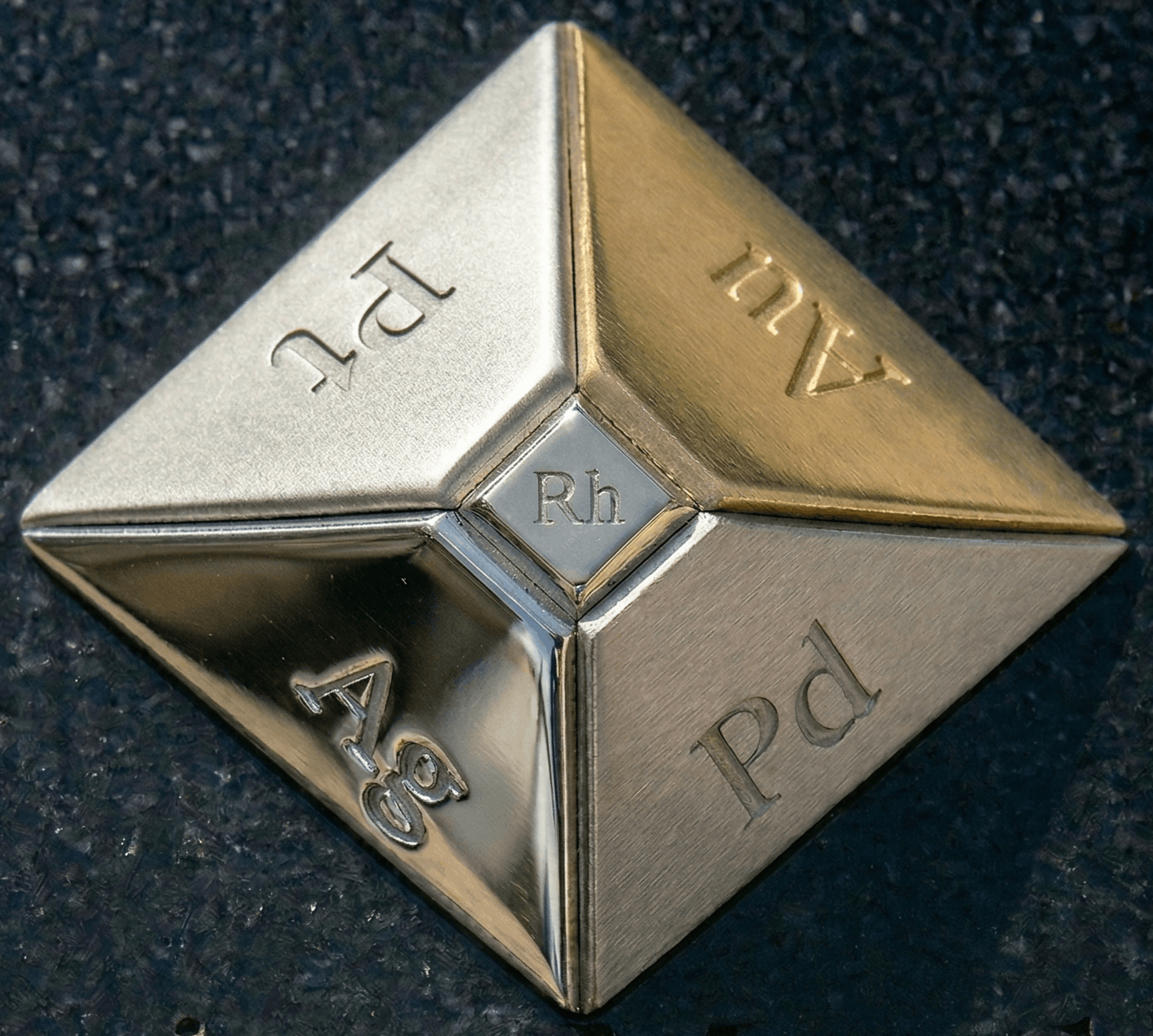
How Precious Metals ETFs Work
Creation, Redemption, Custody, and Trading Mechanics Explained (2026 Guide)
Precious metals ETFs look simple on the surface — you buy a ticker in your brokerage account and get exposure to gold, silver, platinum, palladium, or mining stocks. Behind the scenes, however, these funds rely on a specific structure that includes authorized participants, creation and redemption baskets, custodians, and market makers.
This guide explains how precious metals ETFs work, from fund structure and trading mechanics to custody and liquidity.
1. Basic ETF Structure
Most precious metals ETFs are structured as open‑ended funds or grantor trusts. Shares are created and redeemed in large blocks, but trade in small quantities on exchanges.
Key Participants
- Fund sponsor — designs and manages the ETF
- Custodian — holds the underlying metal or securities
- Authorized participants (APs) — large institutions that create and redeem ETF shares
- Market makers — provide liquidity and keep prices in line with net asset value (NAV)
This structure allows ETFs to trade efficiently while tracking the value of their underlying assets.
2. Creation and Redemption Process
ETF shares are created and redeemed in large blocks, often called “creation units.” This process helps keep the ETF’s market price close to its NAV.
Creation
- authorized participants deliver metal (for bullion ETFs) or securities (for mining ETFs) to the custodian
- in exchange, they receive new ETF shares
Redemption
- authorized participants return ETF shares to the fund
- in exchange, they receive metal or securities from the custodian
Most individual investors never interact with this process directly — they simply trade shares on an exchange.
3. How Bullion‑Backed ETFs Hold Metal
Bullion‑backed ETFs hold physical gold, silver, platinum, or palladium in professional vaults. The custodian is responsible for storing, insuring, and auditing the metal.
Typical Features
- allocated or unallocated metal holdings
- vaults in major financial centers
- regular bar‑list reporting
- independent audits
Investors own shares of the fund, not specific bars of metal.
4. How Mining ETFs Hold Securities
Mining ETFs hold shares of companies involved in exploring, mining, or producing precious metals. These funds behave more like equity portfolios than direct metal exposure.
Common Holdings
- large‑cap gold and silver miners
- mid‑tier and junior mining companies
- royalty and streaming companies
Mining ETFs can be more volatile than bullion ETFs because they reflect both metal prices and company fundamentals.
5. Pricing, Liquidity, and Spreads
Precious metals ETFs trade on exchanges at market prices, which are usually close to their NAV.
Key Factors
- liquidity — higher trading volume usually means tighter spreads
- bid‑ask spread — the difference between buy and sell prices
- tracking — how closely the ETF follows its benchmark
Highly traded ETFs tend to offer better execution and lower trading costs.
6. Expense Ratios and Hidden Costs
ETFs charge an annual expense ratio, which covers management, custody, and administration. This fee is deducted from the fund’s assets over time.
Costs to Watch
- expense ratio
- bid‑ask spreads
- premium or discount to NAV
- brokerage commissions (if applicable)
Lower‑cost ETFs are generally preferred for long‑term holding.
7. Custody, Audits, and Counterparty Risk
For bullion ETFs, the custodian holds the metal in vaults and provides regular reporting. For mining ETFs, the custodian holds securities in brokerage or clearing accounts.
Risk Considerations
- reliance on custodians and sub‑custodians
- legal structure of the fund
- clarity of metal ownership (for bullion ETFs)
ETFs reduce many logistical challenges but introduce fund and counterparty risk.
Explore More ETF Guides
Related Guides
Popular Resources
Final Thoughts
Precious metals ETFs rely on a structured system of custodians, authorized participants, and market makers to deliver liquid exposure to metals and mining stocks. By understanding how these funds are built and maintained, you can better evaluate which ETFs align with your goals, risk tolerance, and time horizon in 2026 and beyond.