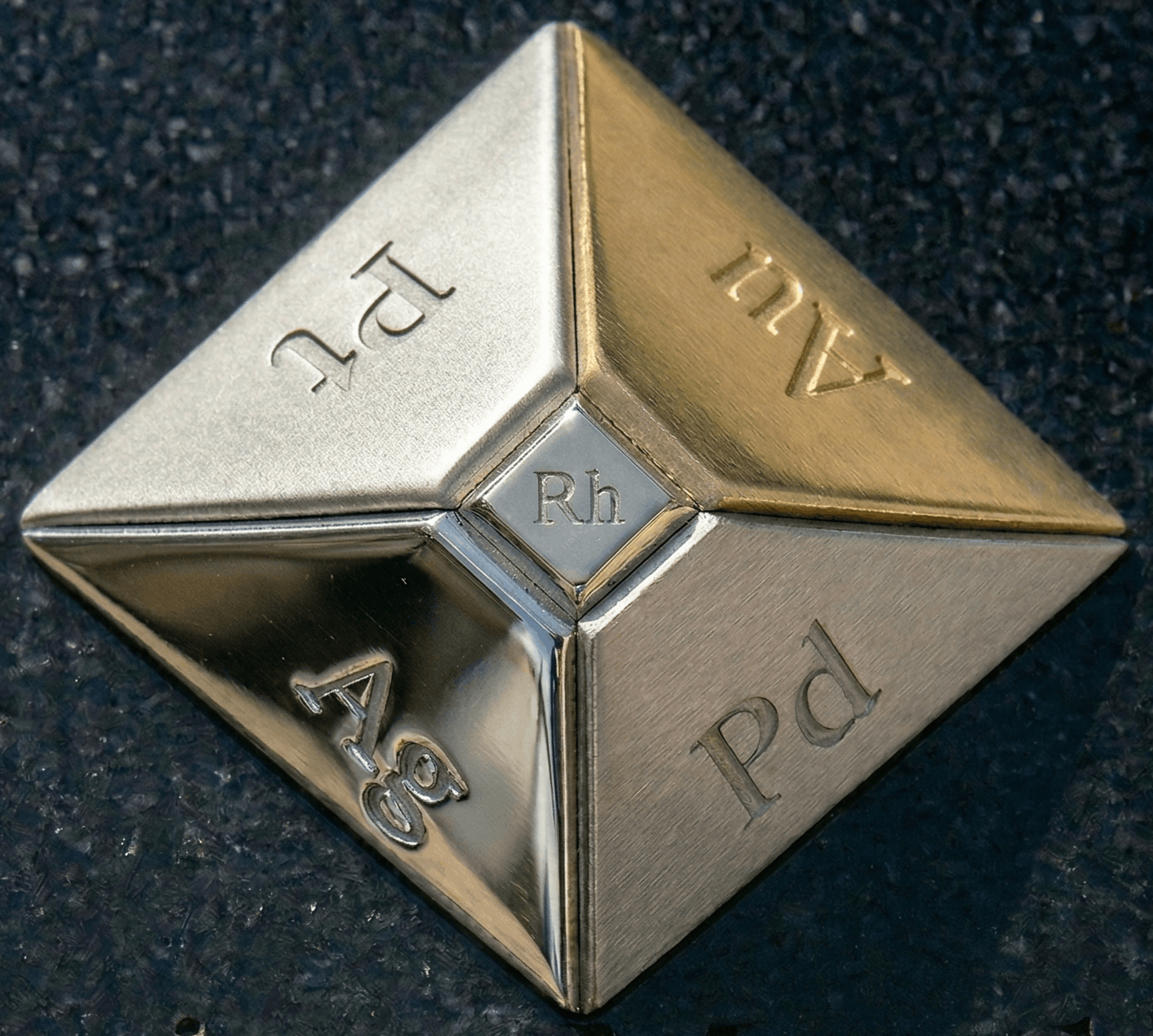
Why Investors Buy Mining Stocks
Investors buy precious metals mining stocks because they offer leveraged exposure to gold, silver, and other metals — along with growth potential, dividends, and equity‑style upside that physical or digital gold cannot provide.
Mining stocks behave differently from the metals they produce. They can outperform during bull markets, underperform during downturns, and offer unique opportunities tied to company performance, discoveries, and operational improvements.
1. Leverage to Metal Prices
Mining companies generate revenue by selling the metals they produce. When metal prices rise, their profit margins can expand significantly — often faster than the price of the metal itself.
Example: If gold rises 10%, a miner with stable costs may see profits rise 20–40% or more.
This leverage is one of the primary reasons investors choose mining stocks over physical or digital gold.
2. Growth Potential
Mining companies can grow in ways that physical gold cannot. Growth drivers include:
- New discoveries that expand resources
- Mine expansions that increase production
- Acquisitions of new assets
- Operational improvements that reduce costs
These factors can create significant upside independent of metal prices.
3. Dividends and Cash Flow
Many major and mid‑tier producers pay dividends, offering income in addition to price appreciation. Dividend policies often strengthen during periods of high metal prices.
Benefits include:
- Regular income
- Potential dividend growth
- Exposure to metals with equity‑style yield
This makes mining stocks attractive to income‑oriented investors who still want precious metals exposure.
4. Equity Exposure Within a Metals Strategy
Mining stocks behave like equities, not commodities. This means they can benefit from:
- Broader stock market strength
- Capital inflows into equity sectors
- Improving company fundamentals
For investors who want precious metals exposure without holding physical bullion, mining stocks offer a familiar equity‑based approach.
5. Diversification Across the Precious Metals Sector
Mining stocks allow investors to diversify across:
- Different metals (gold, silver, platinum, palladium)
- Different jurisdictions
- Different company types (majors, juniors, royalty companies)
- Different stages of development (exploration to production)
This diversification can reduce company‑specific risk while maintaining exposure to the sector.
6. Royalty & Streaming Exposure
Royalty and streaming companies offer a unique way to invest in mining without the operational risk of running a mine. They provide financing to miners in exchange for:
- A percentage of future production
- Discounted metal streams
- Long‑term revenue agreements
These companies often have:
- High margins
- Diversified portfolios
- Lower risk than traditional miners
7. Potential for Outperformance in Bull Markets
During strong precious metals markets, mining stocks often outperform the underlying metal due to leverage and growth potential.
Why?
- Rising metal prices expand margins
- Investor sentiment shifts toward higher‑beta assets
- Explorers and juniors can re‑rate dramatically
This makes mining stocks a popular choice for investors who want amplified exposure during bull cycles.
8. Access Through ETFs
Investors who prefer diversified exposure can use mining ETFs, which bundle multiple mining companies into a single tradable vehicle.
These ETFs may focus on:
- Large‑cap gold miners
- Junior miners
- Silver miners
- Broad precious metals producers
Learn more: Mining ETFs Explained
Mining Stocks vs Physical and Digital Gold
Mining stocks are not a replacement for physical or digital gold. They serve different purposes:
- Physical gold — wealth preservation and stability
- Digital gold — liquid, low‑friction exposure to metal prices
- Mining stocks — leveraged, growth‑oriented equity exposure
Many investors use a combination of all three.
Risks to Consider
Mining stocks carry risks that physical or digital gold do not, including:
- Operational failures
- Cost inflation
- Geopolitical issues
- Financing and dilution
- Commodity price volatility
Learn more: Risks of Mining Stocks
Continue Your Research
Now that you understand why investors buy mining stocks, the next step is learning about the risks involved and how to evaluate mining companies effectively.